
Your doctor may suggest a clinical trial if it could offer access to new or improved treatments. Talking with your specialist, GP, or seeking a second opinion can help you decide whether a trial feels right for you. You can join a clinical trial through a referral from your treating doctor. They can check which trials are currently recruiting and whether you may be eligible. If a suitable option is available, they can refer you to the hospital running the study.
You can also look for trials online, but these sites can be hard to navigate -especially for people with a suspected cancer. Many trials have strict eligibility requirements, such as needing a known primary cancer site or a specific genetic mutation.
It’s best to discuss any trial you find with your treatment team. They can help you understand your options and guide you through the process.
Taking part in a clinical trial is completely voluntary. If you choose to participate, you can change your mind and withdraw at any time.
Clinical trials are a vital part of cancer research. They help doctors and scientists learn which treatments work best and are safest - not just for medical treatments, but also for psychological and supportive care. Over time, clinical trials have led to better treatments and improved outcomes for people diagnosed with cancer.
One common type of trial is a randomised controlled trial. In this kind of study, participants are randomly assigned to receive either the current best treatment or a new treatment. This helps researchers find out if the new approach works better.
Clinical trials can test many different types of interventions, including:
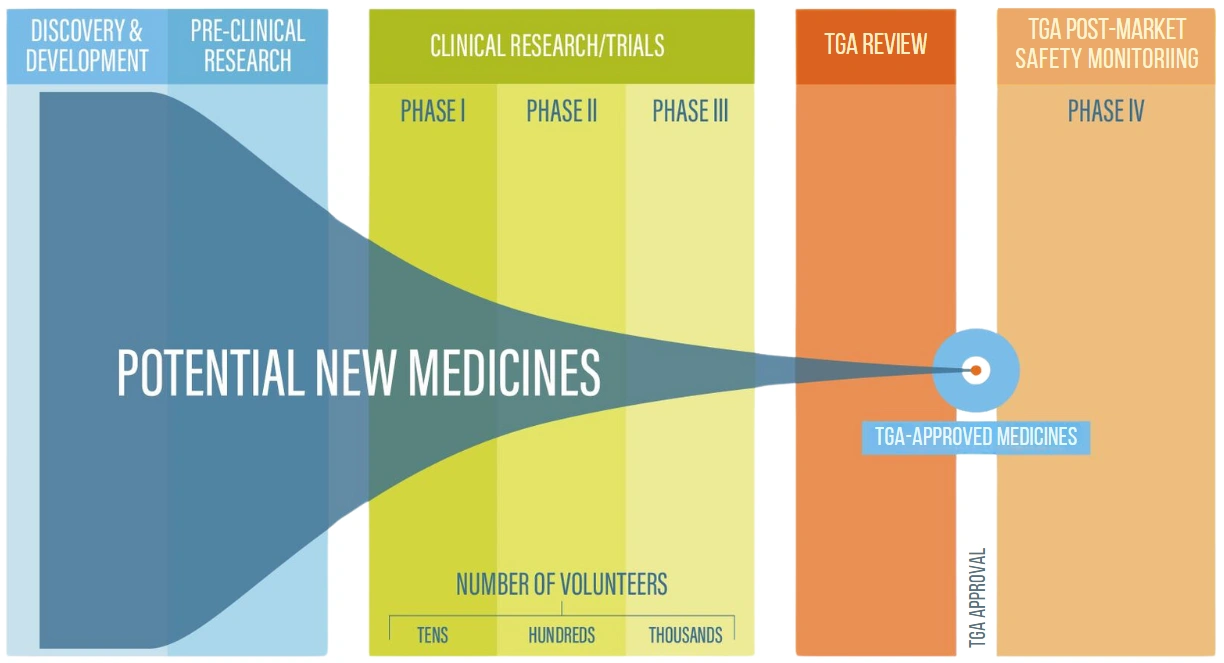
Clinical trials are often completed in phases, starting from a small number of participants and increasing the number during each phase.
There are four main phases of clinical trials:
Australian Clinical Trials Government resource explaining how clinical trials work.
Clinical Trials - Cancer Council
Information about clinical trials including those specific to cancer.
Here are some trusted websites where you can search for clinical trials. Please be aware that these sites can be hard to navigate - especially for people with a suspected cancer. Many trials have strict eligibility requirements, such as needing a known primary cancer site or a specific genetic mutation.
Australian New Zealand Clinical Trials Registry | ANZCTR
Official registry listing all clinical trials in Australia and New Zealand.
Find cancer-related clinical trials in Australia. Easy to search by cancer type or treatment.
Australian Registry of Cancer Trials
Clear information about cancer trials, developed by Cancer Australia.
Government site with general info about clinical trials and how to get involved.
If you have a CUP diagnosis and are interested in joining a clinical trial, click here.
Genomic testing may be available through clinical trials or other options if you’re eligible. If you have questions about genomic testing, please speak to your healthcare team. Click here to read more about what genomic testing is.
Watch and listen to a medical oncologist explain genomic testing for clinical trials:
Here are the links to other information pages to learn more about different aspects of treatment. You may also use the quick links on the right side of the page to navigate.
Investigations for a suspected cancer can lead to various diagnostic outcomes. To learn more about the different types of diagnosis, click here.