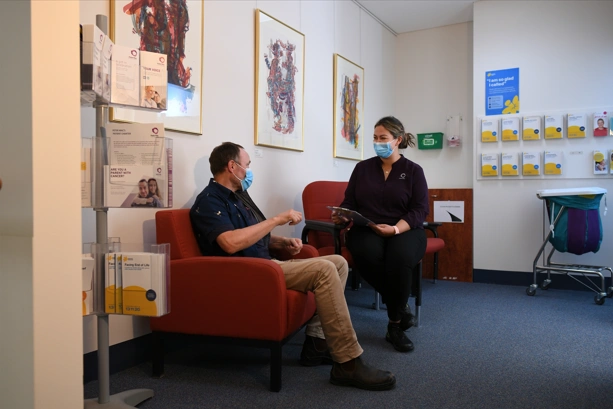
After you receive a suspected or confirmed cancer diagnosis, your specialist will talk to you about the different treatment options available to you. Your specialist can weigh up with you the benefits and risks of each treatment option (including electing no anti-cancer treatment).
Asking your doctor questions or to clarify anything that you are unsure of will help you to better understand your diagnosis and make informed decisions about treatment options. Read the questions to ask your doctor prompt list. It is important to understand the practical implications of treatment, including any extra costs involved with each treatment option. Decisions you might want to consider are:
Discussing all of this with your treatment team, as well as your family and friends, is important to ensure you are making an informed decision about the best treatment for you. Making treatment decisions can impact your quality of life. You may wish to ask your doctor if you can record these discussions or consider getting a second opinion from another doctor to reassure you that you have explored all of your options.
You have the right to refuse any treatment offered. Some people with cancer choose treatment even if it offers only a small benefit for a short period of time. Others want to make sure the benefits outweigh the side effects so that they have the best possible quality life. Ultimately, it is your decision.
Watch and listen to a medical oncologist explain treatment planning:
Here are the links to other information pages to learn more about different aspects of treatment. You may also use the quick links on the right side of the page to navigate.

Investigations for a suspected cancer can lead to various diagnostic outcomes. To learn more about the different types of diagnosis, click here.