
There are a range of resources and support services for carers. Many cancer support groups and cancer education programs welcome carers to participate, not just those diagnosed with cancer. Visiting nurses or hospital in the home services (where the patient receives in-home care or treatment) can also help ease the burden of travelling to appointments.
Make sure to give yourself time away from the caring role. This is called respite care, which involves someone else taking care of the person you are caring for so that you can take a break for any reason. This can include everyday activities, dealing with stress or looking after yourself. It can be for a short time (such as a few hours a week) or for a longer time (such as overnight or a weekend).
While providing care can be rewarding and bring a sense of satisfaction, it may also have a negative impact on your health and wellbeing. It is common to experience a range of emotions such as fatigue, exhaustion, loneliness, anxiety and financial challenges. You can share your concerns with your doctor or a counsellor, or by calling Cancer Council 13 11 20 for support.
Carer Gateway offers services to support carers while they are looking after someone, providing free counselling to carers either in person, on the phone or as part of a group. They offer peer support groups to connect you to other carers, either in person or through an online community forum. Call 1800 422 737 for support and services.
A Guide for Caring for Someone with Cancer PDF Booklet | Cancer Council
Cancer Council resource for people who are caring for someone with cancer. It discusses the role of a carer and self-care, with a support and resources section available to carers. There is also a chapter that discusses caring for someone with advanced cancer.
Australian Carers Talk | Cancer Council
Cancer Council video resource offers support and information for those who are caring for someone with cancer. Carers are from regional and metropolitan areas, speaking about their personal experiences of providing care for a loved one from diagnosis to bereavement. Carers talk about the hurdles they faced, and the advice they would offer to other carers.
Support for Carers | Cancer Council NSW
Cancer Council NSW resource for carers, including making treatment decisions, preparing food and drink, providing personal care, emotional support, communicating with family and friends, financial and legal arrangements, and other areas of care.
Meals on Wheels Australia delivers affordable meals to those who are unable to cook or shop for themselves or are living with an illness or disability. Carers may also be able to access this service. The meals are prepared to National Meal Guidelines to meet daily nutritional needs and support special dietary requirements, such as for those with allergies or swallowing difficulties.
Carers Australia is the national peak body representing Australia’s unpaid carers, advocating on their behalf and working collaboratively with other organisations to develop programs, services and events to support Australian carers.
You may be closely involved with the care of your loved one at the end of their life. Each situation and level of care you provide will be different. Sometimes, companionship and being there for your loved one is most appreciated. Caring for someone at the end of their life can be a challenging experience and be both emotionally and physically difficult. You can ask your family and friends to help you with caring for your loved one, such as preparing meals or allowing you to take a break to focus on your own health and wellbeing. Even talking to them about what you are feeling and experiencing can help or you can seek support from a mental health professional. There is support and resources available to assist you during this time, which you can access above, in the Support and Resources for Carers section.
Here are the links to other pages for support and services. You may also use the quick links on the right side of the page to navigate.
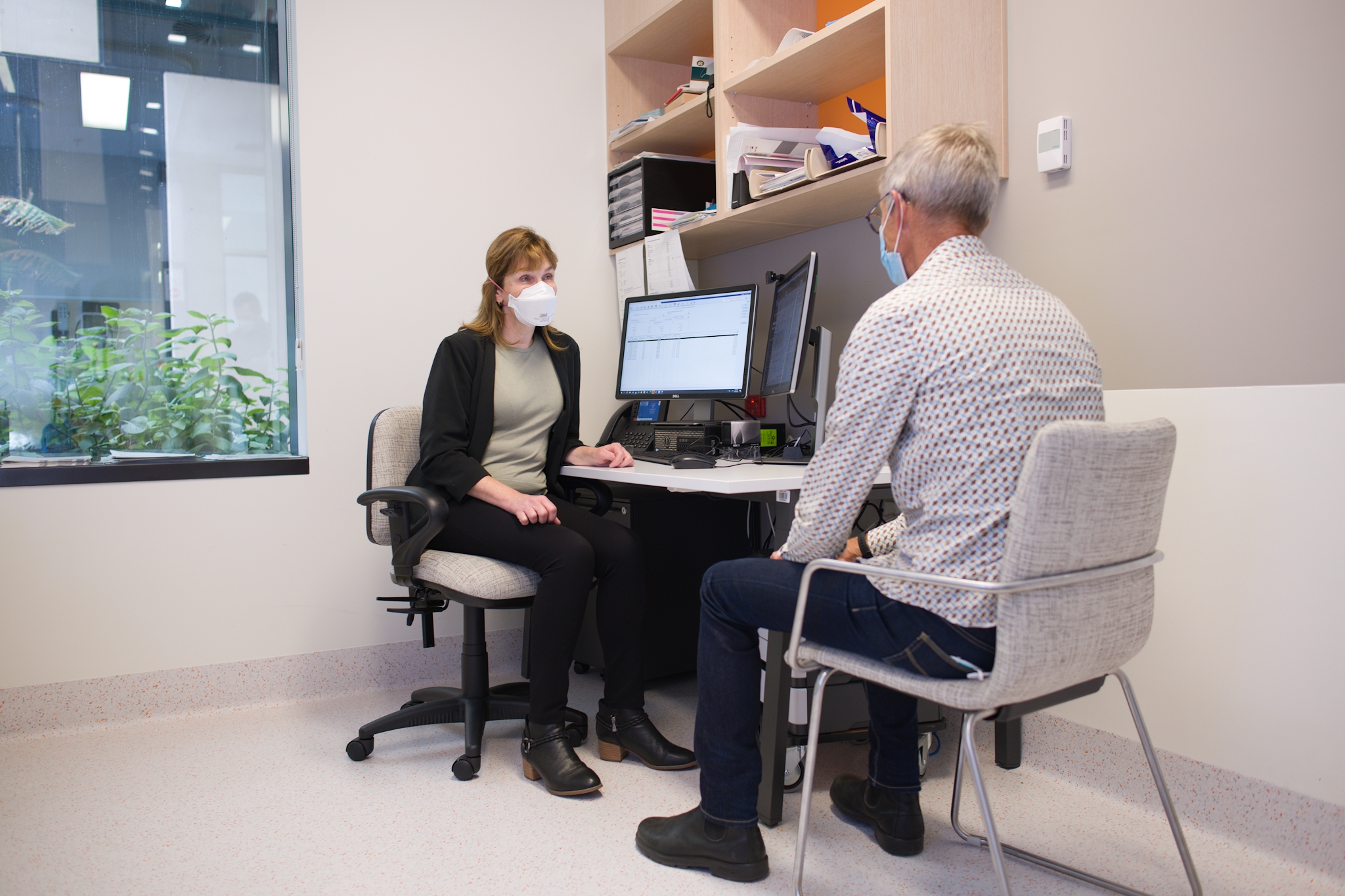
Investigations for a suspected cancer can lead to various diagnostic outcomes. To learn more about the different types of diagnosis, click here.