
This section provides information on different types of drug therapies, including chemotherapy, one of the most common treatments for cancer.
Chemotherapy is a common treatment for cancer. This is because chemotherapy drugs travel through the bloodstream and can reach or circulate around most parts of your body.
Chemotherapy is the use of drugs to kill cancer cells or slow down their growth by stopping them from multiplying and spreading. The chemotherapy drug/(s) you receive will depend on multiple factors, including the suspected location/(s) and severity of the cancer. Sometimes radiation therapy and chemotherapy can be used together to try and kill any local collections of cancer cells in the body by both targeting the cancer with drugs, as well as high energy radiation to try and reduce the size of the cancer.
You will usually be given the chemotherapy drugs by drip into a vein (intravenously), but some types are taken by mouth as tablets. The drugs circulate through the bloodstream and can kill cancer cells throughout the body. As different cancer cells respond to different chemotherapy drugs, you may be given a combination of drugs.
Courses of Chemotherapy
Chemotherapy is given in courses known as cycles. Each cycle is followed by a recovery period. Typically, you will have chemotherapy as an outpatient, but sometimes a short stay in the hospital is needed.
Your doctor may test how the cancer is responding to your chemotherapy treatment after a few cycles. This will involve repeat imaging investigations (e.g. PET or CT scan), that help visually assess the effect that your treatment is having on the cancer. From there, you and your doctor can discuss the benefits of continuing chemotherapy treatment. If you decide that the effects of the treatment on your quality of life outweigh the treatment's benefit, your doctor can help you explore alternative options.
Side Effects of Chemotherapy
Most chemotherapy drugs cause side effects, however, these are usually short-term, and can either be prevented or have their impact reduced. The side effects you experience will be dependent on the drugs you are prescribed.
Common side effects that you may experience include:
Some healthy cells- especially those in the bone marrow - can be sensitive to chemotherapy. Your bone marrow makes your blood cells, including white blood cells that help protect you from infection. Chemotherapy can temporarily lower your white blood cell levels, which can make it easier to pick up infections. You will have regular blood tests to monitor how your immune system is coping.
Most side effects improve after treatment, but some can last longer or appear months later. These may include changes to the heart, nerve problems such as tingling or numbness, or effects on fertility. Your care team will talk with you about any risks and how these can be monitored or managed.
Important: If your temperature rises to 38°C or above, this may indicate an infection and you need to contact your medical team who will advise you to either see your GP or go to your nearest emergency department.
Ask your doctor to explain the potential risks and benefits of the chemotherapy recommended for you.
Further information about Chemotherapy:
Understanding Chemotherapy | eviQ
Common questions about Chemotherapy | eviQ

Hormones are naturally occurring substances in the body that can stimulate certain cancers to grow. They act as messengers, carrying information and instructions from one group of cells to another. Hormones normally control how you grow, develop, and reproduce, however when something goes wrong, the messages they send can have unwanted effects on the cells they communicate with.
Hormone therapy uses hormones made in a laboratory (synthetic hormones) to block the effect of these natural hormones that are helping cancer to grow.
Your doctor might recommend hormone therapy if your test results show that the cancer may have started as a hormone-dependent cancer, such as prostate or breast cancer.
Hormone therapy can be given as either tablets or injections. Sometimes it can be given in combination with other treatments.
Side effects of hormone therapy
Side effects of hormone therapy will be different depending on the treatment you are provided.
Examples of side effects:
If you are undergoing hormone therapy and experience side effects, you should discuss this with your treatment team.
Further information about Hormone Therapy:
Hormone therapy | Cancer Council
Hormone therapy | Cancer Australia

Targeted therapy is a type of treatment that acts on specific features within cells, known as ‘molecular targets’. By aiming directly at these features, the treatment can slow down or stop the cancer from growing and spreading. Because targeted therapy attacks specific molecular targets, it usually causes less harm to healthy cells than other treatment options.
Targeted therapy can be used to:
Many targeted therapy drugs are given orally, but some are given by injection.
To check whether targeted therapy is suitable for your situation, doctors need to test your cancer to see if the cells contain a particular molecular target that is helping cancer grow. This is usually done through a blood test or a biopsy. Different people with the same cancer type may receive different treatments based on their test results. Typically, only a small number of CUP tumours are suitable for targeted therapy.
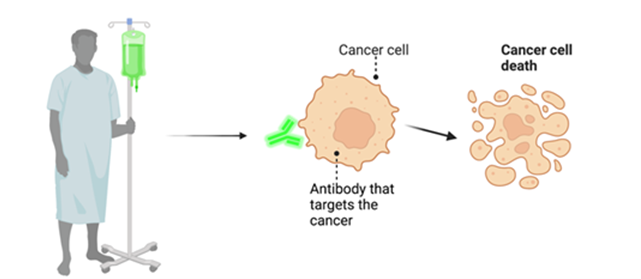
Side effects of targeted therapy
Although targeted therapy acts on specific genes or proteins of cancer cells, you may still feel some side effects from this treatment. These side effects vary greatly depending on the drug used and how your body responds.
Common side effects of targeted therapy include:
Most side effects are temporary and will improve over time, or once treatment has ended.
If you are undergoing targeted therapy and experience side effects, you should discuss this with your treatment team.
Further information about Targeted Therapy:
Understanding Targeted Therapy | eviQ
What is Targeted Therapy? | Cancer Council NSW
Targeted Therapy | Cancer Australia
Immunotherapy uses the body’s own immune system to fight cancer. The most common immunotherapy drugs remove barriers that prevent your immune system from detecting (and fighting) the cancer.
Immunotherapy is predominantly used for the following cancers: head and neck, bladder, kidney, melanoma, leukaemia, liver, lung and lymphoma. For patients with cancer of an unknown primary, the results of specialised tests on a tumour may suggest that immunotherapy could help treat the cancer. Immunotherapy drugs that are currently approved are still being tested within clinical trials to determine their effectiveness for other types of cancers.
You can talk to your treatment team for more information about immunotherapy.
Further information about Immunotherapy:
Here are the links to other information pages to learn more about different aspects of treatment. You may also use the quick links on the right side of the page to navigate.
Investigations for a suspected cancer can lead to various diagnostic outcomes. To learn more about the different types of diagnosis, click here.