This section provides information about other types of treatment for cancer, which are radiotherapy and surgery.
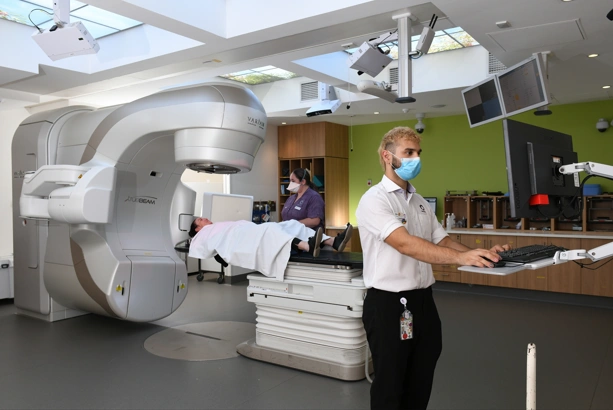
Radiation therapy, also known as radiotherapy, uses targeted radiation, in the form of x-ray beams, to kill or damage cancer cells.
Radiation therapy can also be used to reduce the size of a cancer to reduce symptoms, such as pain, bleeding, difficulty swallowing, shortness of breath, and more.
The goal of radiation therapy will depend on your individual diagnosis. It may be used to:
Before your treatment, you will have an x-ray or CT scan of the planned treatment area. A radiation therapist will mark your skin with small dots (called tattoos) to ensure the same area is targeted in each radiotherapy session. These may be temporary or permanent. If you are having radiotherapy to your head or neck region, the radiation team will mould a plastic mask to your face to ensure your head, neck and shoulders stay in the same position during each treatment and that the treatment is delivered directly to the location of your cancer.
You may only need to receive one dose of radiation (i.e., a single treatment), or multiple fractions of treatment where the total dose is delivered over a number or days or weeks, depending on your individual situation and symptoms.
Side effects of radiation therapy
The side effects will depend on the area of the body being treated and the dose of radiation. The most common side effect is fatigue.
Other common side effects include:
If you are undergoing radiation therapy and experience side effects, you should discuss this with your treatment team.
Further information about Radiotherapy:
Understanding Radiation Therapy | eviQ
Understanding Radiation Planning | eviQ
Radiotherapy (Radiation Therapy) | Cancer Council
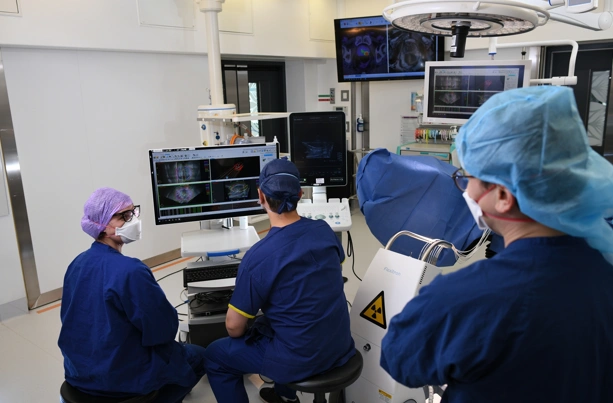
Surgery is a medical procedure to remove cancer from the body, typically when cancer is found at an early stage. Surgery may be used by itself, or alongside other cancer treatments.
Surgery may be used to:
Side effects of surgery
Some people experience pain after surgery, but this is often temporary. This will largely depend on the location or type of surgery you have. Talk to your doctor or nurse about painkillers.
Other common (and temporary) side effects of surgery may include some bleeding and scarring around the surgical area. If you experience bleeding this will usually resolve itself shortly after surgery. Talk to your doctor about the best ways to manage scarring from surgery.
Here are the links to other information pages to learn more about different aspects of treatment. You may also use the quick links on the right side of the page to navigate.

Investigations for a suspected cancer can lead to various diagnostic outcomes. To learn more about the different types of diagnosis, click here.