Cancer is a disease of the body’s cells. In the body, cells will usually grow and repair themselves in a controlled way. Sometimes a cell changes and starts growing too fast. These changed cells can collect in one area and form a lump. This is where cancer begins. Over time, these cells can move into other areas of the body, causing cancer to spread (known as metastasis).
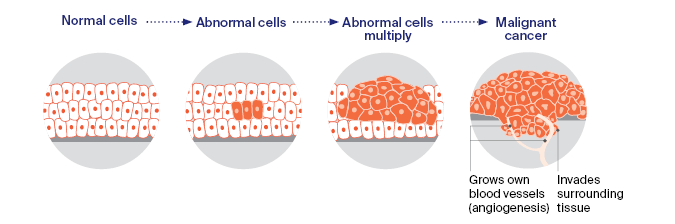
Signs and symptoms of suspected cancer can vary greatly and will depend on many factors such as where the cancer has spread in the body, age, and overall health. Sometimes, people will have few or no symptoms.
Signs and symptoms may include:
Each of the above symptoms can be caused by conditions other than cancer, but if you have any concerns or notice any changes in your body, talk to your general practitioner (GP).
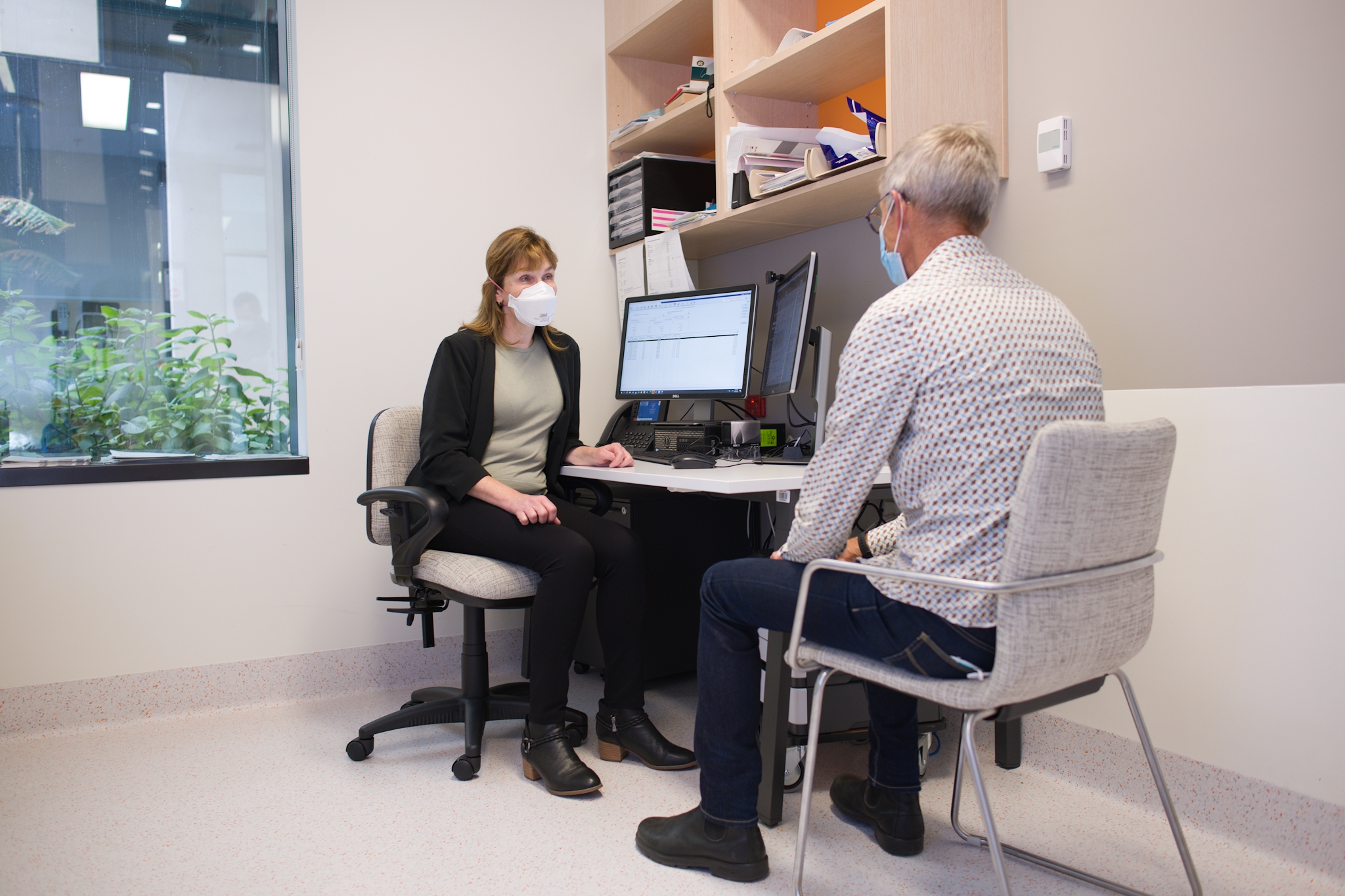
Your GP may have referred you to a specialist for further investigation of a suspected cancer, because they have detected an abnormal finding in your initial test results. The resources on this website are intended as a guide to aid your understanding of the diagnostic process you will experience. You will also find information explaining treatment options (depending on the outcomes of your diagnostic process), medical terms you may come across, key questions to ask your clinician, support services available to you, and other useful information.
Here are the links to other information pages to learn more. You may also use the quick links on the right side of the page to navigate.
Investigations for a suspected cancer can lead to various diagnostic outcomes. To learn more about the different types of diagnosis, click here.