Your specialist doctor will usually be part of a multidisciplinary care team bringing together a range of health professionals who contribute differing skills to the planning of your treatment and provision of ongoing care. This ensures that all relevant aspects of your needs will be considered. A multidisciplinary team will include:
Oncologists are doctors who specialise in cancer. Often, you will be initially referred to a medical oncologist who treats all types of cancer.
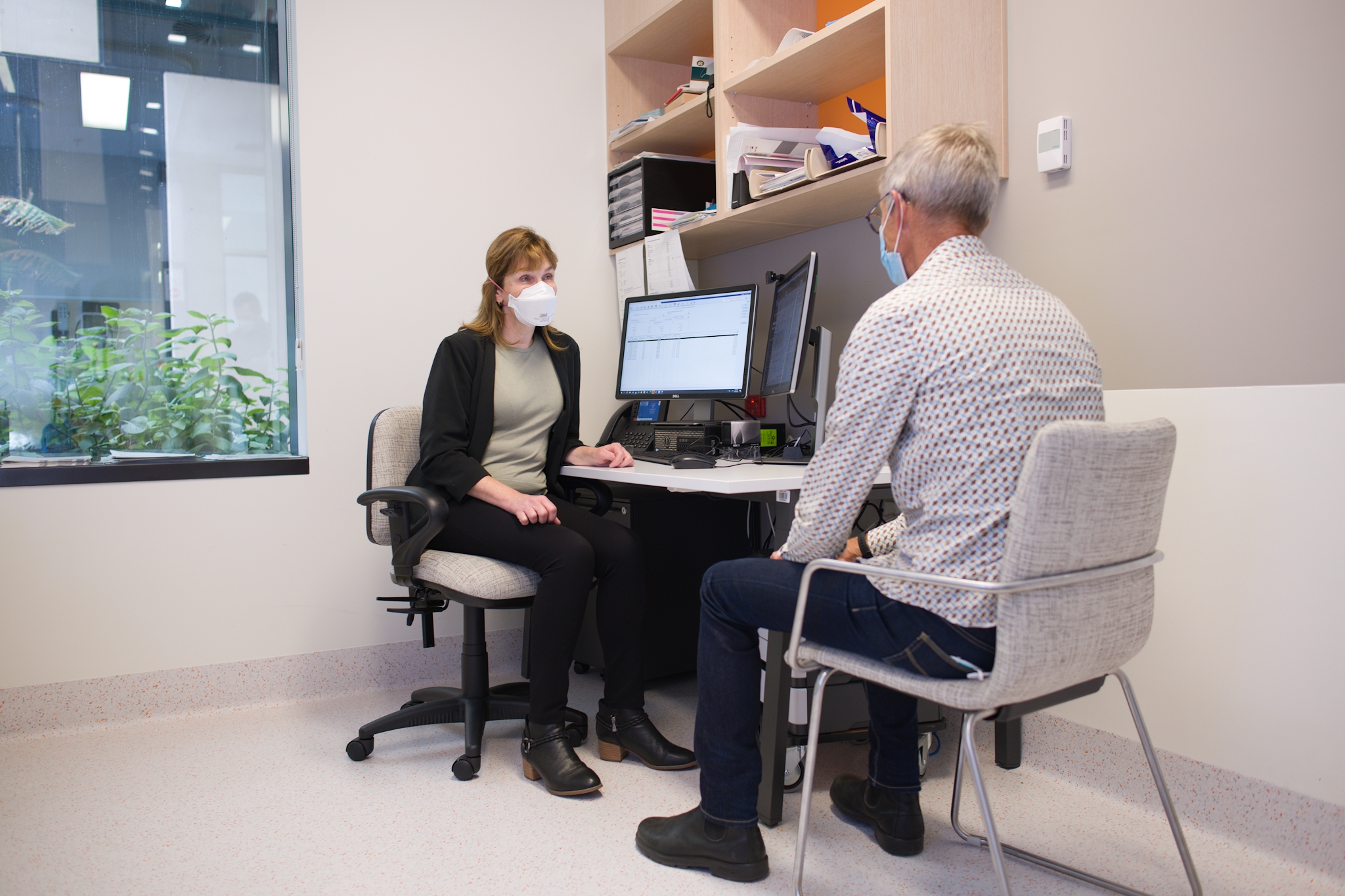
Watch and listen to a medical oncologist talk about her role caring for patients:
As different types of cancer behave differently, doctors often specialise in particular types of cancer or areas of cancer treatment including:
Nurses work with you to identify and assess your supportive care needs, monitor your condition, administer medication, and develop care plans. Nurses also act as patient educators and collaborate closely with other members of the team to ensure the highest quality of care to patients. Nurses may be varied in their roles, which may include:cancer nurses, nurse consultants and research nurses.
Watch and listen to a nurse talk about how nurses can help throughout the diagnostic and treatment journey:
You may encounter a care coordinator. Some hospitals have dedicated care coordinators, who are responsible for coordinating patient care. They act as a central point of contact for patients, families, and healthcare providers, to ensure that care is continuous across the different health services a patient is involved with. They help patients by:
Multidisciplinary team (MDT) meetings
The different treatment options for your cancer will often be discussed at a multidisciplinary team (MDT) meeting with other health professionals. These meetings are used to identify the best treatment approach for individual cases, and ensure that all aspects of a patient's care are addressed comprehensively and consistently across different health services. During and after treatment, you will see various health professionals who specialise in different aspects of your care.
Watch the video below to learn more about Multidisciplinary Meetings:
Further information about Multidisciplinary Team:
Multidisciplinary team | Guide to best cancer care | Cancer Council
Multidisciplinary Care for Advanced Disease | Cancer Australia
Here are the links to other information pages to learn more. You may also use the quick links on the right side of the page to navigate.
Investigations for a suspected cancer can lead to various diagnostic outcomes. To learn more about the different types of diagnosis, click here.