| Adenocarcinoma | A type of cancer that starts in mucus-producing (glandular) cells that line the organs. |
|---|---|
| Adjuvant/Neoadjuvant | Neoadjuvant therapy is given before your primary treatment while adjuvant therapy is delivered after primary treatment to remove any remaining cancer cells. |
| Advance care planning | Involves planning for your future health care so everyone involved can understand your treatment preferences and respect them. |
| Advanced Cancer | The cancer has spread from the original/primary site. |
| Benign | A tumour that is not cancerous and does not spread anywhere else in the body. |
| Biopsy | A procedure to obtain a small amount of tissue for testing. |
| Complete Blood Count | A blood test to check the number of white blood cells, red blood cells and platelets in your blood. |
| Bone Scan | An imaging test that looks for changes in your bones, using a radioactive tracer (dye) injected into your bloodstream. It can look at one particular joint or bone, but it is more common for the entire body to be scanned. |
| Cancer | Abnormal cells that have grown in an uncontrolled way and invade surrounding tissues or have spread through the body. |
| Cancer of Unknown Primary | Also known as CUP. Cancer has been found in the body but the original place the cancer started is not known, despite extensive testing. |
| Carcinoma | A type of cancer that forms in epithelial tissue, which forms the lining on internal (organs) and external (skin) structures in the body. |
| Chemotherapy | A cancer treatment that uses drugs to kill cancer cells or slow down their growth by stopping them from spreading. |
| Clinical Trial | A research study that assigns humans to one or more health-related interventions to evaluate the effects on health outcomes. |
| Colonoscopy | A procedure that looks at the colon (large intestine) with an endoscope (see endoscopy). |
| Computed Tomography | Also known as CT scan. An imaging test that uses x-ray beams and a computer to create detailed pictures of the inside of the body. |
| Cycle | A period of receiving chemotherapy followed by a rest period (rest period is included in the cycle). |
| Cytotoxic | Toxic to cells, such as the cancer treatment you receive might be cytotoxic to remove the cancer cells. |
| DNA | A molecule inside cells that contains genetic information responsible for the development and function of an organism. This information can be transferred from one generation to the next. DNA is an abbreviation for deoxyribonucleic acid. |
| Endoscopy | A procedure that uses an endoscope (a thin, flexible tube with a light and camera on the end) to look inside the body. |
| Epithelial Cells | Cells that line the surfaces of your tissue or organs. |
| Fraction | A small dose of radiation given once or over a period of time which makes up the total amount of radiation delivered. |
| Gastroscopy | A procedure that looks at the stomach with an endoscope (see endoscopy). |
| Grade | A score from level 1-3 that describes how quickly cancer cells are likely to spread and grow. |
| Immunotherapy | A cancer treatment that uses the body’s own immune system to fight cancer. |
| Incurable | Advanced disease that cannot be fully healed whereby treatment might focus on controlling cancer and managing symptoms. |
| Late Effects | Conditions or symptoms that appear long (months or years) after cancer treatment. |
| Lymph Nodes | Small, bean-shaped structures that are found in the lymphatic system (part of the immune system) that filter harmful substances and help detect if cancer has spread. |
| Lymphoma | A type of cancer that forms in the white blood cells and moves through the lymphatic system. There are two types of lymphoma – Non-Hodgkin’s lymphoma and Hodgkin’s lymphoma. |
| Malignancy of Unknown Origin | Also known as MUO. Suspicion of cancer without an obvious primary site after initial limited testing. |
| Malignant/Malignancy | Cancerous tumours that spread to both near and far tissues. |
| Mammogram | A procedure that uses low-dose x-ray beams to create an image of the inside of the breast. |
| Medical Oncologist | A doctor who treats cancer with drug therapies (e.g., chemotherapy). |
| Melanoma | A type of cancer that develops from skin cells called melanocytes, which give skin its colour. |
| Metastasis | Also known as “mets.” Cancer that has spread from its original location to other areas in the body. |
| Metastasise | For cancer to spread from its original place in the body and form secondary cancer(s). |
| Multidisciplinary Team | A group of medical professionals from different specialties. Sometimes they might also meet in a multidisciplinary meeting (MDM) to discuss your diagnosis and treatment options. |
| Nausea | The sensation of feeling sick or having the urge to vomit. |
| Neoplasm | An abnormal growth of tissue; also referred to as a tumour. |
| Neuroendocrine cells | Cells found throughout the body that respond to nerve signals and secrete hormones into the blood in response. The neuroendocrine system regulates hormone secretion and coordinates various bodily processes, such as digestion. |
| Nuclear Medicine | A branch of medicine which uses radiation to diagnose and treat or manage diseases such as cancer. |
| Oncology | A medical specialty which focuses on the study of cancer. |
| Optimal Care Pathway | A set of guidelines developed to ensure best practice cancer care. |
| Pain Relief | Medications that are prescribed to treat short (acute) or long-term (chronic) pain. |
| Palliative care | A cancer treatment that focuses on managing symptoms and providing relief from pain to provide the best quality of life for patients. |
| Pathology | The study of diseases. Blood and tissue may be tested in a pathology lab. |
| PET Scan | Position Emission Tomography - an imaging test that uses a low-dose radioactive solution (dye) to measure cell activity in different parts of the body. Cancer cells are more active than normal cells. |
| Poorly Differentiated | Refers to when the cancer cells have become abnormal enough that it is difficult to identify unique characteristics specific to cell type. |
| Primary cancer site | The original site where the cancer began before spreading. |
| Surgery | An operation where a surgeon will remove bad tissue such as cancer from the body. |
| Prognosis | The expected outcome of a disease, which is generalised. |
| Radiation Oncologist | A doctor who prescribes and plans radiation therapy. |
| Radiation Therapist | A health professional (not medically trained) who administers radiation therapy. |
| Radiotherapy | Also known as radiation therapy. A cancer treatment that uses targeted radiation to kill or damage cancer cells, usually in the form of x-ray beams. |
| Recurrence | Cancer that comes back after treatment. |
| Resection | The use of surgery to remove bad tissue, or part or all of an organ and some of the tissue surrounding it. |
| Restaging | Staging that is done again if the cancer comes back or progresses to help guide further treatment (see staging). |
| Sarcoma | A type of cancer that grows in connective tissue such as bones, muscles, fat, blood vessels, nerves, etc. |
| Secondary Cancer | The primary/original cancer has spread and formed another tumour in a different part of the body, referred to as secondary cancer. |
| Sigmoidoscopy | A procedure that looks at the lower third of the colon with an endoscope (see endoscopy). |
| Squamous Cell Carcinoma | A type of cancer that occurs in squamous cells, which are flat cells usually located on the surface of the skin or the outer layer of certain organs. |
| Staging | The process of identifying the size of a tumour and if it has spread to other parts of the body. It is recorded on a scale from 1-4. |
| Targeted Therapy | A cancer treatment that attacks particular features of cancer cells, known as molecular targets, to stop cancer from growing and spreading. |
| Tumour | A mass of abnormal cells that can be either benign (non-cancerous) or malignant (cancerous). |
| Tumour Markers | Chemicals that can be produced by one or several types of cancer and are present in the body. High levels can be found in the blood, urine or other bodily fluids of some people with cancer. |
| Ultrasound | An imaging test that uses soundwaves to create a picture of the inside of the body. |
| X-Ray | An imaging test that uses low-energy beams of radiation to create images of parts of the body. |
Further information on cancer terms:
Glossary of Cancer Terms | Peter MacCallum Cancer Centre
Further information on medical terms relevant to CUP:
Here are the links to other pages for support and services. You may also use the quick links on the right side of the page to navigate.
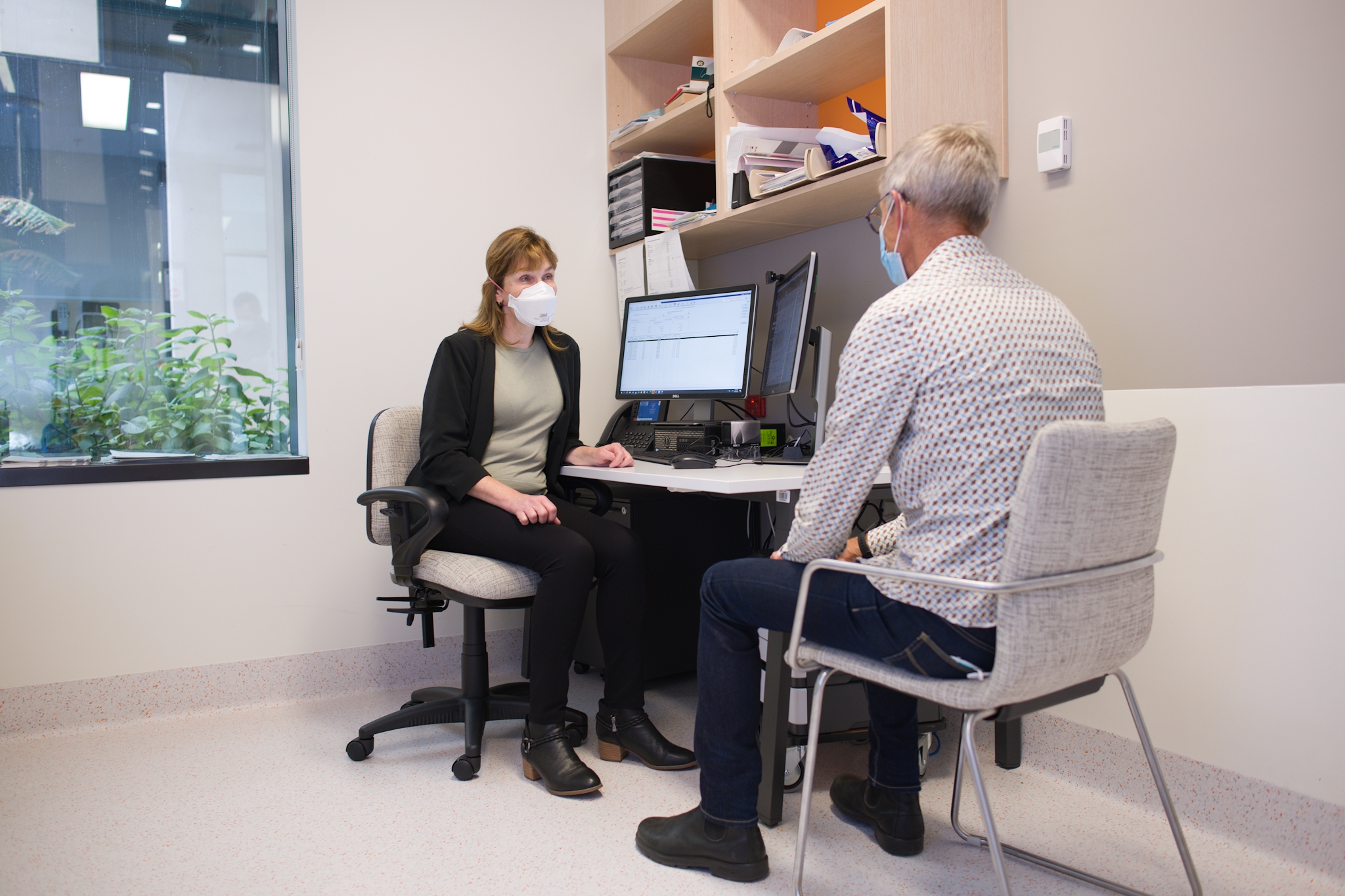
Most people are diagnosed with cancer of unknown primary (CUP) after they have symptoms or become unwell. Some people may be diagnosed during tests for another health condition. When cancer is suspected, you might be referred for tests or to a specialist.

The treatment you have depends on a number of things, including where the cancer is and your general health. A team of doctors and other professionals discuss the best treatment and care for you. The main treatment for Cancer of Unknown Primary is cancer drugs, most commonly chemotherapy. You may also have radiotherapy to help to control your symptoms and hormone therapy.