Watch and listen to genomic specialists share their expert insights in understanding genomic testing for CUP patients.
The use of molecular profiling tests to identify actionable mutations or determine the tissue of origin is the subject of ongoing research and is not considered part of the standardised diagnostic workup for CUP. However, where this is available (e.g. via research projects or self-funded by patients), it may be helpful and should be considered.
OMICO's Cancer Screening Program provides Comprehensive Genomic Profiling to patients in Australia with advanced, incurable or an earlier diagnosis of a poor prognosis cancer, and refers patients to clinical trials and new targeted therapies where appropriate.
SUPER-NEXT is an observational study assessing the utility of whole genome sequencing for patients with Cancer of Unknown Primary.
Here are the links to other clinician resources. You may also use the quick links on the right side of the page to navigate.
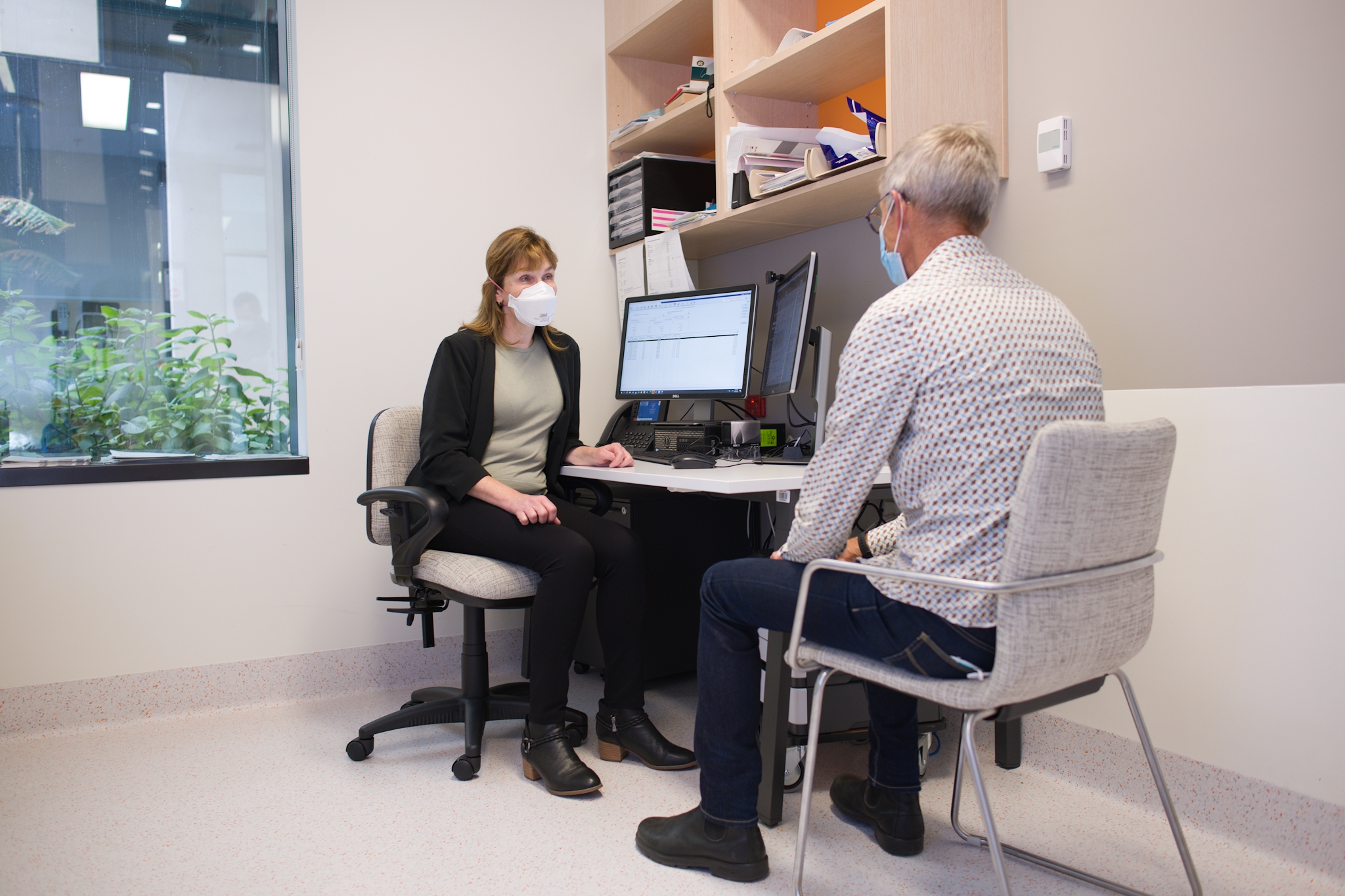
Most people are diagnosed with cancer of unknown primary (CUP) after they have symptoms or become unwell. Some people may be diagnosed during tests for another health condition. When cancer is suspected, you might be referred for tests or to a specialist.

The treatment you have depends on a number of things, including where the cancer is and your general health. A team of doctors and other professionals discuss the best treatment and care for you. The main treatment for Cancer of Unknown Primary is cancer drugs, most commonly chemotherapy. You may also have radiotherapy to help to control your symptoms and hormone therapy.