This page provides an overview of ways to look after yourself throughout the cancer journey and where you can seek support.

Complementary (or integrative) therapies are used alongside conventional cancer treatments such as chemotherapy, radiation therapy or surgery. They do not claim to cure cancer but aim to support overall wellbeing - to reduce stress, improve sleep, relieve symptoms or reduce side effects of treatment.
Common complementary therapies include:
Some complementary therapies have been scientifically researched and shown to be safe and effective. However, many others are not. Some natural products or supplements can worsen side effects or reduce the effectiveness of conventional cancer treatments. Importantly, there is no scientific evidence that complementary therapies can treat or cure cancer itself.
If you are using - or thinking about trying - complementary therapies, it's important to talk to your doctor or cancer care team.
This is to ensure:
Open communication with your healthcare providers helps ensure you get the best possible care and outcomes.
The Cancer Council do not recommend using alternative therapies as a cure for cancer.
People often use the terms complementary and alternative therapies interchangeably, but they are very different. Complementary therapies are used alongside conventional cancer treatments, whereas Alternative therapies, are used instead of standard medical treatments.
Some practitioners promote these unproven therapies as cures for cancer, which is misleading and potentially life-threatening.
If you're considering using alternative therapies, it's essential to speak with your doctor or cancer care team first. They can help you understand the risks, guide your choices, and ensure that any supportive therapies you use are safe and evidence based.
Further information on complementary therapies:
What are Complementary Therapies? | Cancer Council NSW
Integrative Medicine | Memorial Sloan King Cancer Center
Integrative Medicine | Cleveland Clinic

Eating healthy food can help you cope with treatment and side effects. A balanced diet gives your body the nutrients and energy it needs to stay as well as possible.
If you have dietary requirements, a dietitian can explain how to manage any special dietary needs or eating problems and choose the best foods for your situation.
It is also very important to drink lots of water throughout each day unless advised otherwise by your healthcare team, as water can help flush toxins out of your body and keep you energised throughout treatment.
Useful resources:
Meal & Snack Ideas | Nutrition and Cancer | Cancer Council NSW
Nutrition for People Living with Cancer

Physical activity can have many positive impacts including reducing tiredness and improving circulation. It may also enhance your response to treatment and lower the risk of getting other illnesses. Exercise is well known to be beneficial for one’s mental health, as it boosts the release of 'feel-good' chemicals in the brain (e.g. endorphins, serotonin, and dopamine).
Many people going through treatment may feel restricted in how much they can exercise – it is important to talk to your doctor or other healthcare team member to develop the best exercise plan for your situation.
Useful resources:
Physical activity and cancer - Cancer Council Queensland

You may experience financial challenges, especially if you have extra unplanned medical expenses, costs of transport to and from appointments (including hospital parking) or loss of income if you need to reduce how much you work or stop working altogether.
You have a right to know how much you will pay for your treatment, and it is the responsibility of your doctors and health care providers to outline the likely costs prior to treatment. This is known as informed financial consent.
If you have any concerns, ask your doctor to refer you to social work, who can provide information about financial assistance and may be able to help with submitting forms or applications.
The Cancer Support Services and Support for Carers sections include practical resources that can assist with financial challenges.
More resources are included below:
Cancer and your finances | Cancer Council
Financial Support | Rare Cancers Australia

Treatment and its side effects may make it harder to work the same amount you normally would. You may also have appointments during work hours that require you to take time off.
It can help to talk with your employer about whether you want to, or feel able to, continue working while you are having tests or treatment. You do not have to share your diagnosis. However, if you return to work, you do need to let your employer know about anything that might affect how you carry out essential parts of your job.
Your employer may be able to offer flexible hours or other support, so it is worth discussing your options with them.
More information is included below:
Cancer, Work and You | Cancer Council

As you go through the process of diagnosis and treatment, it is very important to have a strong support system around you. Your loved ones, friends, or work colleagues can help support you through this stressful and difficult time. Having a support system with you as you navigate appointments and manage side effects can greatly improve your mental health.
It is important to encourage those around you to access support resources as well. These resources can help them to understand what you are going through, how to deal with their own emotions surrounding your diagnosis, and how to best support your wellbeing and their own wellbeing throughout your patient journey.

Sexuality refers to how you express yourself sexually, and your sexual feelings for others. Cancer and treatment can affect your physical appearance, the way you feel about yourself, and your physical state (e.g. levels of fatigue, pain, or hormonal fluctuations). As you navigate diagnosis and treatment, your desire or ability to express intimacy and sexuality with others may fluctuate. It is important to express your concerns and feelings with others, including your healthcare team. There may be treatment options available to help you. Healthcare professionals who can help you or direct you towards help may include: GPs, nurses, care coordinators, occupational therapists, psychologists, sexual health physicians or sex therapists.
Having open discussions with your intimate partner/s can also help with managing sexuality-related side effects. It may feel awkward to discuss changes with your partner/s, but it is an opportunity to develop ways to manage intimacy and sexuality. Changes to your sex and sexuality may be temporary, however you may have to adapt to long-term changes. While this can be difficult, changes can also strengthen your relationship/s, improve the ways you communicate, and lead to new ways to express intimacy and sexuality. There are many resources available to you to help navigate these changes.
Useful resources:
Sexuality and intimacy | Cancer Council
Sex and Cancer Podcast | Cancer Council NSW

Contraception:
As you go through treatment, your doctor may ask you to pause certain sexual practices to prevent infection or injury. This will depend on the type of treatment you have, and the speed of your recovery.
Sexual activity will not make your cancer worse or make it come back. Likewise, your partner cannot ‘catch’ cancer from you. However, your doctor may still recommend certain types of contraception for some types of treatment, such as chemotherapy and radiation therapy, to protect your partner and/or ensure that your treatment is not impacted by pregnancy or infection.
Fertility:
If having children is important to you, it’s a good idea to talk with your doctor before treatment begins. They can explain the best timing for pregnancy after treatment and discuss options like freezing eggs or sperm. Some treatments can affect fertility for a short time or in the long term, so these conversations are important to have early.
Even though fertility can change during treatment, it’s still possible to become pregnant, so using contraception is recommended unless you’re actively trying to conceive with medical guidance.

Receiving a diagnosis of cancer can often feel overwhelming. You may experience a range of emotions when you are first diagnosed and throughout treatment, such as fear, sadness, uncertainty, anxiety, depression, anger and frustration.
The uncertainty of not knowing can intensify feelings of fear and loneliness. It’s important to express these emotions and talk to others about how you are feeling. Your friends and family will usually do as much as they can to support you. Additionally, cancer patient support groups and health professionals such as social workers, counsellors, psychologists and psychiatrists are all invaluable resources that can be accessed at any stage of your cancer journey. You may also find comfort in discussing your thoughts and feelings with religious or spiritual advisors. Visit the support and services section for a comprehensive list of resources to cope with both the emotional and practical aspects your patient journey.
Dealing with feelings of sadness

If you find that you have difficulty in your daily activities such as getting out of bed, have lost interest in hobbies that you once enjoyed and have persistent feelings of sadness, you may be experiencing depression. It’s important to talk to your healthcare team about these feelings, as sessions with professionals, or short-term medication such as antidepressants, may be beneficial in managing how you feel. You can ask your doctor if you are eligible for a Medicare rebate for psychology sessions as some individuals may qualify. You can usually get up to 10 psychology sessions covered, and up to 15 if you are also seeing a psychiatrist.

For further support for coping with mental health conditions, call Beyond Blue at 1300 22 4636 or visit beyondblue.org.au
If you need immediate support, Lifeline is available 24/7 and can be contacted at 13 11 14 or at lifeline.org.au
Here are the links to other information pages to learn more about different aspects of supportive care. You may also use the quick links on the right side of the page to navigate.
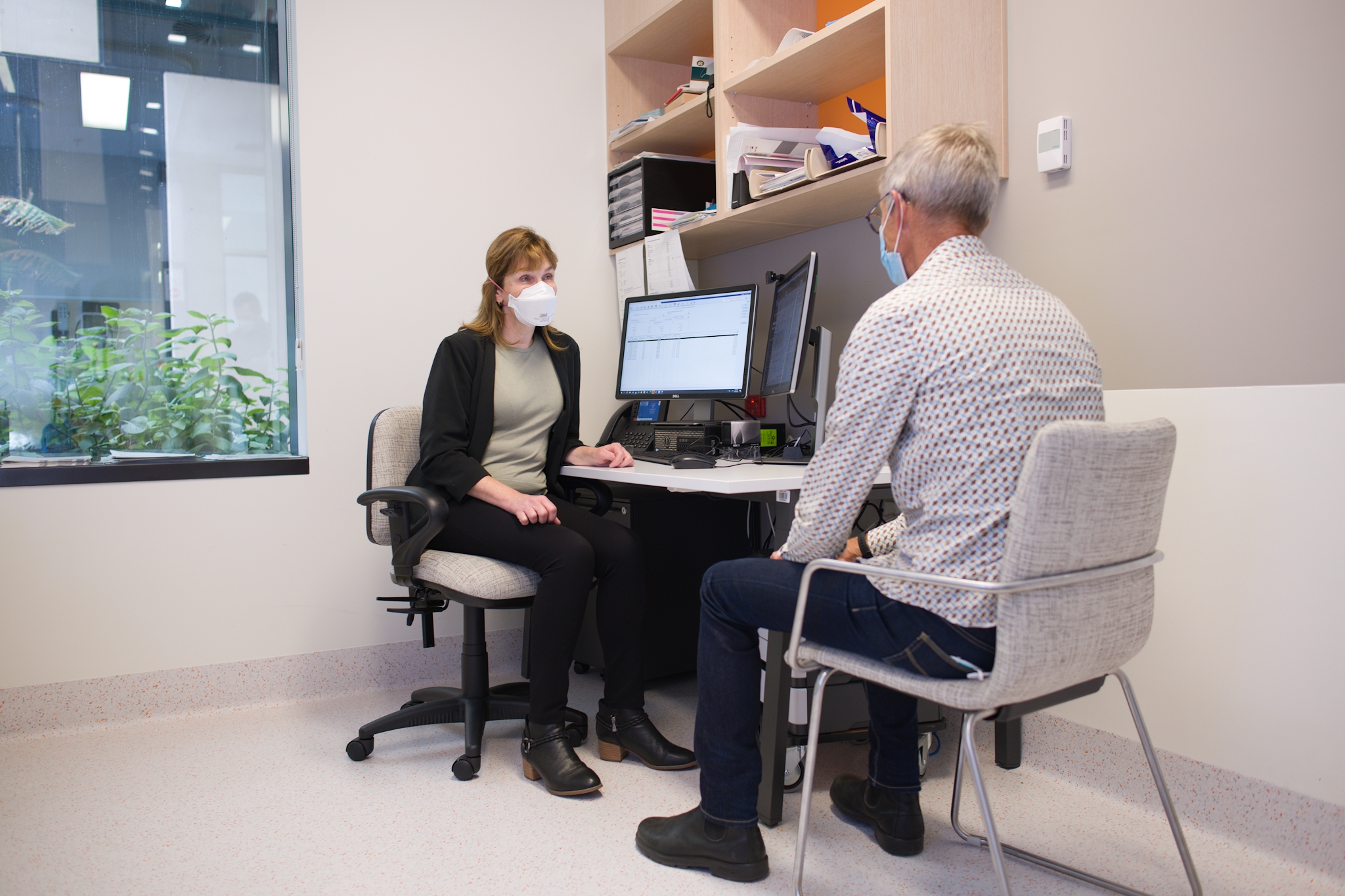
Investigations for a suspected cancer can lead to various diagnostic outcomes. To learn more about the different types of diagnosis, click here.